Why Rigorous Practices Matter in the Industrial Wire Rope Industry
In the industrial wire rope industry, safety isn’t just a compliance requirement — it’s the backbone of every lift, every project, and every worker who steps onto a job site. Without rigorous attention to safety, wire rope failures can be sudden, unpredictable, and catastrophic. This is why a culture of vigilance is essential across construction, manufacturing, marine, mining, and infrastructure operations.
The Hidden Complexity of Wire Rope Safety
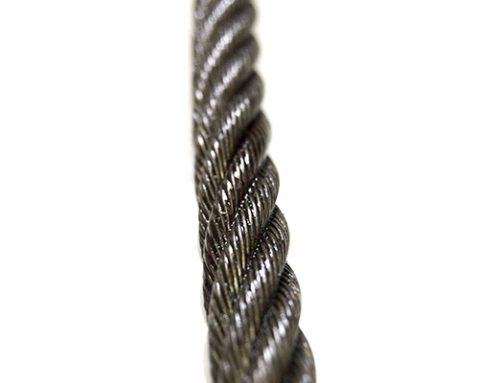
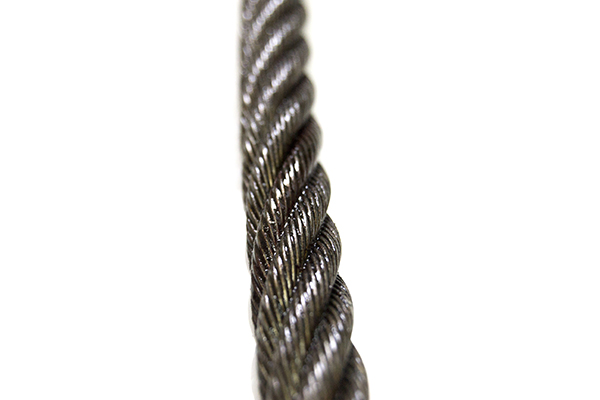
Wire rope may look simple, but each rope is a precisely engineered system of strands, wires, cores, and terminations. When even a single strand begins to degrade, the entire rope can lose tension abruptly, causing loads to fall or shift without warning.
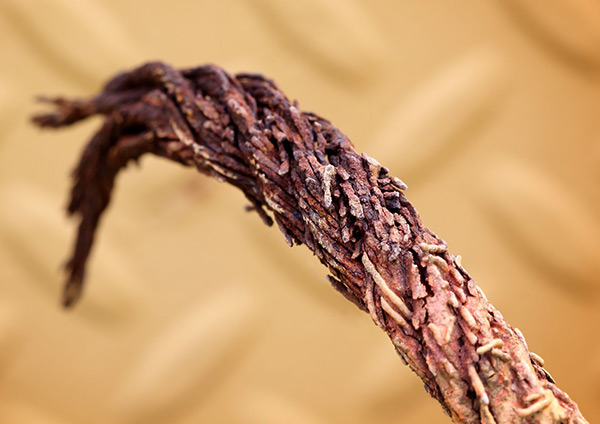
The risk associated with wire rope failure is documented in multiple fatal incidents by OSHA. Because of this, safety isn’t just about using the right rope. It’s about understanding how it behaves, how it wears, and how to recognize danger before it becomes visible.
Following are some key safety practices every operation should prioritize:
1. Daily Visual Inspections:
This is the first line of defense. OSHA and ASME require daily visual inspections of wire rope slings and hoisting systems.
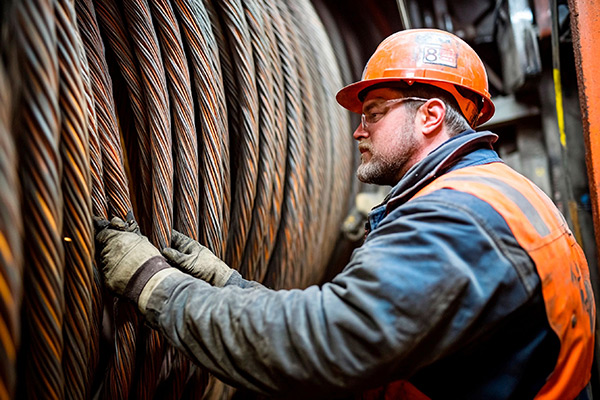
These quick checks catch obvious hazards such as:
- Broken wires
- Kinks or crushing
- Severe corrosion
- Damaged fittings or splices
- Improper lubrication
A rope that has been kinked, for example, can never be repaired and must be removed from service immediately.
2. Scheduled, Detailed Inspections
Beyond daily checks, a designated, trained inspector must perform periodic, in‑depth evaluations. These inspections consider:
- Frequency of use
- Severity of service conditions
- Historical performance of similar slings
- Environmental exposure (saltwater, chemicals, extreme temperatures)
Deeper inspections often include diameter measurements, lubrication assessments, and documentation that supports long‑term traceability.
3. Proper Lubrication and Maintenance
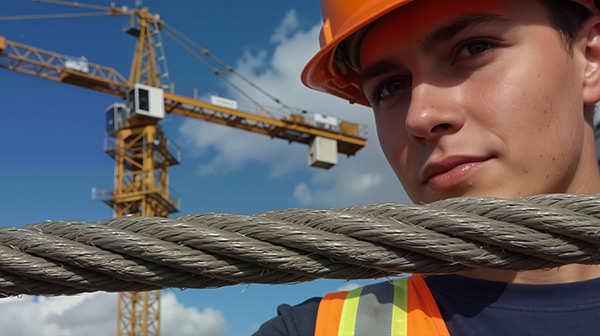
Lubrication is more than a maintenance task; it’s a safety requirement. Proper lubrication reduces internal friction, prevents corrosion, and extends rope life. Neglecting lubrication can accelerate wear and lead to premature failure.
4. Operator Training and Competency
Even the best equipment fails when operators aren’t trained to use it safely. Training should cover:
- Load limits and working load limits (WLL)
- Proper sling angles
- Correct reeving and hoisting techniques
- Recognition of unsafe conditions
- Emergency procedures
A well‑trained operator is one of the most effective safety controls on any job site.
5. Documentation and Record‑Keeping
Accurate records of inspections, maintenance, and replacements help organizations:
- Track rope lifespan
- Identify patterns of wear
- Improve procurement decisions
- Demonstrate compliance during audits
Documentation also supports a proactive safety culture rather than a reactive one.
Why Safety Culture Matters More Than Checklists
Checklists are essential, but they’re not enough. A strong safety culture empowers workers to speak up, stop unsafe operations, and take ownership of the equipment they use every day.
Safety culture is about more than just following the rules. When teams understand why safety matters, and not only what the rules are, they make better decisions under pressure. In the wire rope industry, those decisions save lives.
All in All, Safety Is a Shared Responsibility
From daily inspections to operator training to long‑term maintenance, safety in the industrial wire rope industry is a shared responsibility across every level of an organization. When companies invest in rigorous safety practices, they protect their people, their equipment, and their reputation.
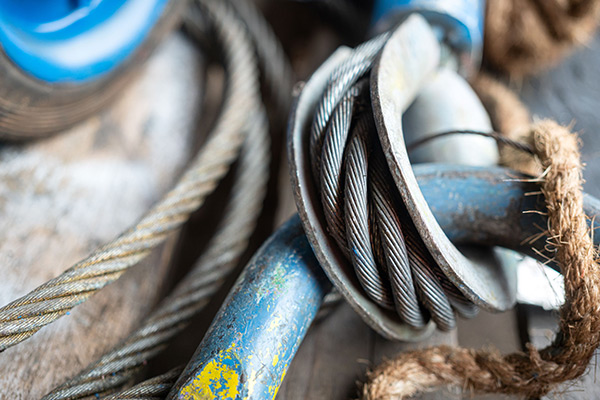
Keep in mind that in addition to an extensive line of hardware, such as ropes, slings, hooks, and shackles and more, Industrial Wire Rope offers Petzl Safety Products. We can also connect you with industry leaders in safety training. Certainly, all of us are on a mission to build sales in 2026, and that mission is best accomplished with a robust safety culture.